Adaptive reuse of ruins within an Archaeological Garden
Waverley Abbey, Anglia, 2024
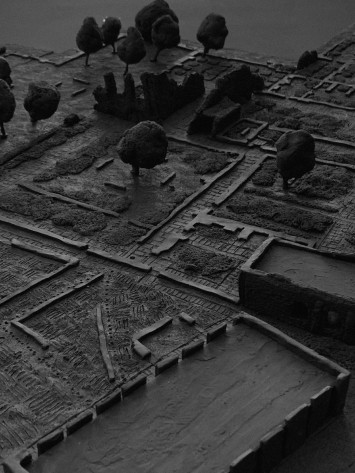
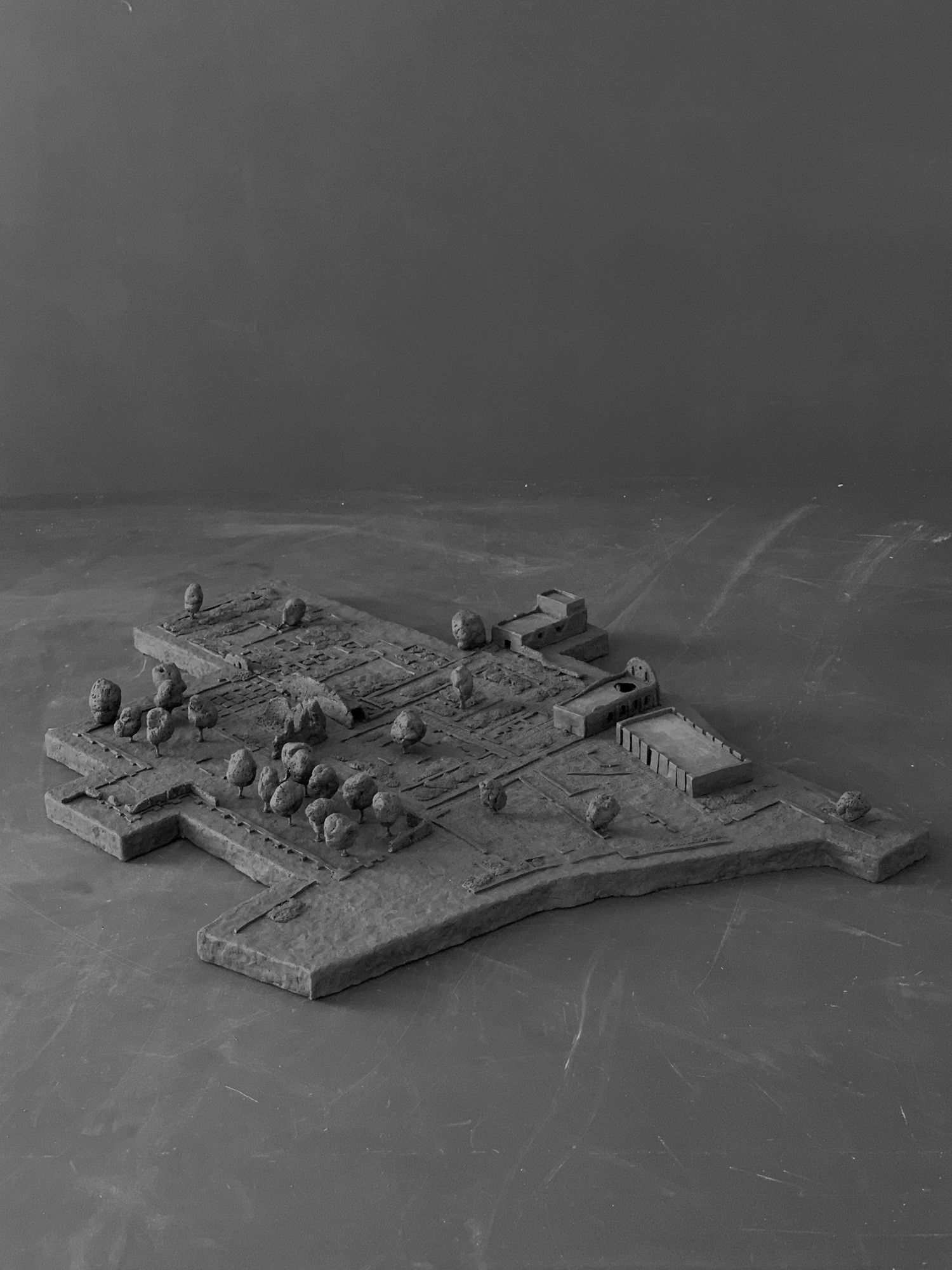
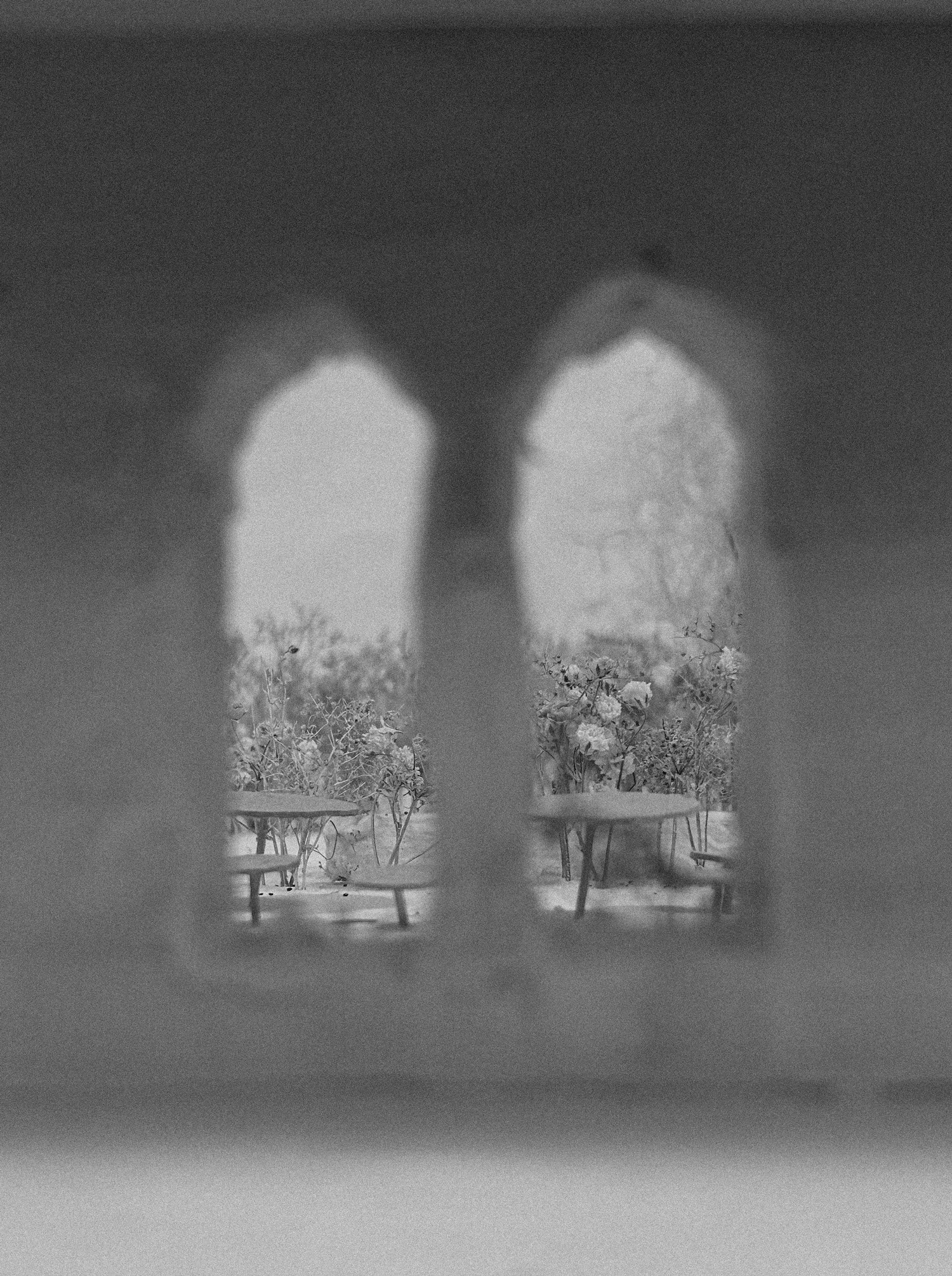
The main design objective was to adapt the ruins into a place dedicated to cultivating English gardens while accommodating workshops and visitor lodging. The remains belong to a Cistercian abbey founded in 1128. The ruins set within an untouched rural landscape. Today, only fragments of the original structure survive, making it difficult for visitors to imagine life there over 800 years ago. The core idea of the intervention was to revive the spirit of the place by preserving the existing landscape as much as possible and reinterpreting the abbey’s foundations as low walls that define different elements of the designed garden. The garden is divided into five parts: a vegetable garden, a herb garden, a central garden, an English garden and a former cemetery with a tree-lined avenue. The masterplan includes a workshop and drying house, a Tea House located beside the herb garden, and residential accommodation within the former dormitory building. The entire proposal forms an archaeological garden — a layered landscape that, like a secret garden, offers hidden corners and stories waiting to be discovered.
Atelier: Francesca Torzo